Creatine for Women: What Does It Actually Do?
Creatine has somehow become the supplement women are told they should be taking for everything. Strength, brain fog, menopause, mood and bone health. That is usually the point where the marketing gets ahead of the evidence.
The honest answer is less exciting and more useful. Creatine can support certain kinds of exercise performance, and it may help with some strength and lean-mass outcomes when it is paired with resistance training. The female-specific research is still smaller and less certain than the internet makes it sound.
This article started with a recent Proof of Practice conversation about creatine for women. The podcast raised good questions. It is not the evidence behind the answers below.
What does creatine do in the body?
Creatine is a compound your body already makes and stores mainly in muscle. It helps replenish a form of cellular energy used during short, repeated bursts of high-intensity effort. Think resistance training, sprinting or repeated hard efforts, not a general energy boost that works like caffeine.
That basic mechanism is why creatine has been studied so heavily in sport and resistance training. Health Canada's licensed natural health product database includes creatine products authorized for claims related to strength, power and performance during repeated bouts of brief, high-intensity activity. Some are also authorized for increasing lean muscle mass when used with resistance training. Those are narrower claims than saying creatine improves every part of health.
Does creatine work differently for women?
Probably not in the dramatic way most women-focused marketing suggests. The bigger issue is that women have been underrepresented in the research, so we know less about female-specific outcomes than the confidence online would suggest.
A 2026 systematic review and meta-analysis of female participants found possible small benefits for selected strength, power, high-intensity performance and lean-mass-related measures. The authors also rated the certainty as low or very low because the studies were small and varied considerably.
That matters. It means there is a reasonable evidence-based case for creatine in some training contexts, but not a basis for promising that every woman will notice a meaningful difference. A supplement can be useful without being a cure-all.
Does creatine make women gain weight?
It can change the number on the scale, but that does not automatically mean fat gain. Some of the early change can come from water held inside muscle, while longer-term changes may also reflect lean mass built with resistance training. The same Health Canada product information includes weight gain as something users may experience.
The amount and timing vary. Some people notice a small early increase, while others notice very little. If a short-term change on the scale would be stressful or confusing, decide in advance what you are actually trying to measure. Strength, training performance and how you feel during exercise may be more useful than treating body weight as the only outcome.
What about menopause, brain health and bone?
This is where the conversation gets interesting, but also where the certainty drops.
Creatine is being studied for cognition, mood, ageing and different stages of women's health. That does not make all of those uses proven. In a two-year randomized trial involving 237 postmenopausal women, creatine did not improve bone mineral density compared with placebo during an exercise program. Some measures related to bone geometry changed, but that is not the same as showing that creatine prevents osteoporosis or fractures.
There may be useful findings ahead, particularly around strength and maintaining lean mass with resistance training. Right now, claims about brain fog, hormones, mood or bone health need more restraint than most social posts give them. Those are not good reasons to replace medical assessment, exercise, sleep or an established treatment plan with a supplement.
What is the best creatine for women?
The phrase makes it sound as if women need a special version. Usually, the more useful question is whether the product contains creatine monohydrate, has an active Canadian Natural Product Number and gives clear directions and cautions on the label.
Health Canada explains that licensed natural health products carry an eight-digit NPN. That number means the product has been assessed for its recommended conditions of use. It does not mean every claim made around creatine on a podcast, product page or social post has been approved.
Compare the medicinal ingredient, amount per serving, other ingredients and label directions. A pink container, a wellness blend or the words "for women" do not automatically make a creatine product more appropriate.
Who should talk with a pharmacist first?
The Health Canada product information cited above advises people who are pregnant or breastfeeding, or who have a kidney disorder, to speak with a healthcare professional before use. It also makes sense to ask first if you take medications, use several supplements or are trying to manage a health condition.
Bring the actual label or a photo of it. That lets the pharmacist look at the ingredient, dose instructions, cautions and the rest of your medication and supplement list instead of trying to answer from a product name alone.
The honest answer
Creatine is not just for men, and it is not only for bodybuilders. It is also not a shortcut for every problem women are told to solve through supplements.
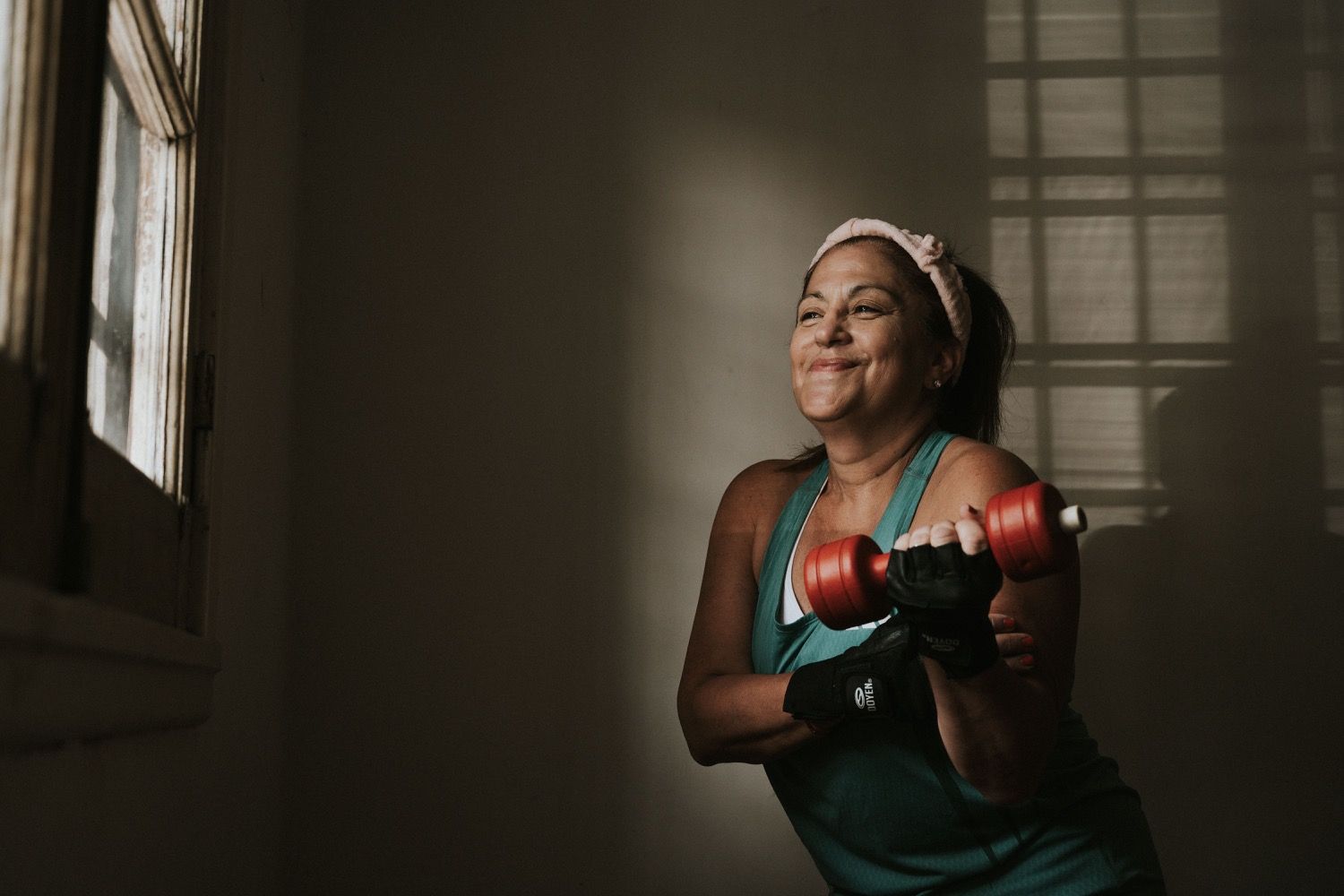
For a woman doing resistance training or repeated high-intensity exercise, creatine monohydrate may be a reasonable product to consider. The strongest case is still connected to training, strength and certain performance outcomes. The claims around menopause, cognition, mood and bone health are developing, not settled.
If you want help comparing a creatine label with your medications, supplements and goals, call the pharmacy at 778-940-1950 or browse Kiwi's Energy & Performance collection.
View the creatine monohydrate available through Kiwi
This article is general educational information, not individual medical advice.