Why is lower belly fat so hard to lose?
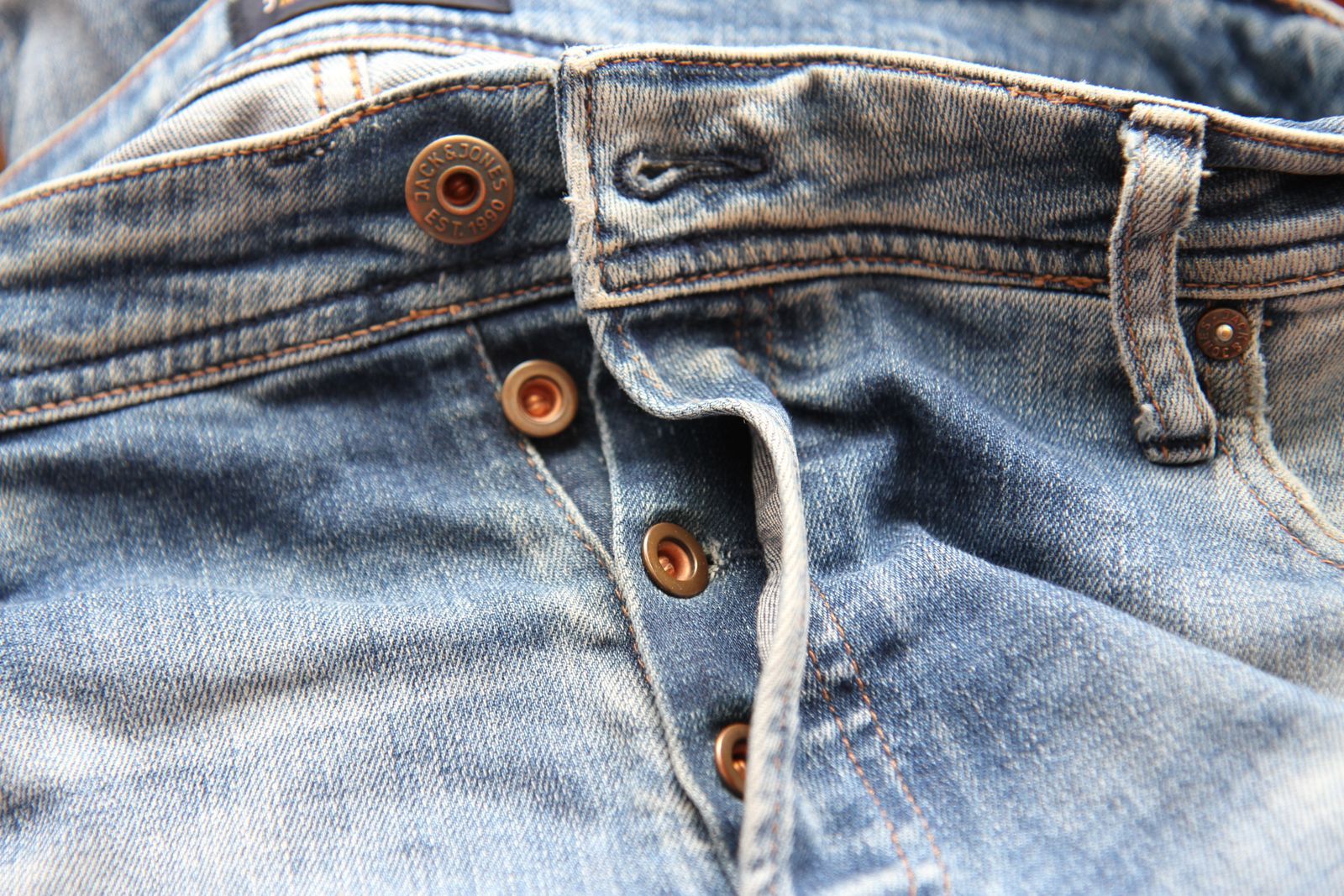
You've been doing planks for weeks. You can hold one longer now, but your jeans fit the same across your lower belly. Planks train the muscles underneath your waistband. Your genes help determine where you carry fat, and working those muscles gives you little control over where fat comes off first.
Why stronger abs don't always show
In a six-week study of 24 adults, one group did abdominal exercises five days a week. By the end, they could do more curl-ups than the group that didn't train. The researchers found no significant change in abdominal fat or waist measurements from the exercises.
Two people at a similar weight can carry it differently around their waists and hips. Even your own pattern can change over time. Some women, for example, begin to carry more fat around the middle during the transition to menopause. Someone else's progress photo is a poor guide to what you can expect from the same workout.
What you can tell from a tighter waistband
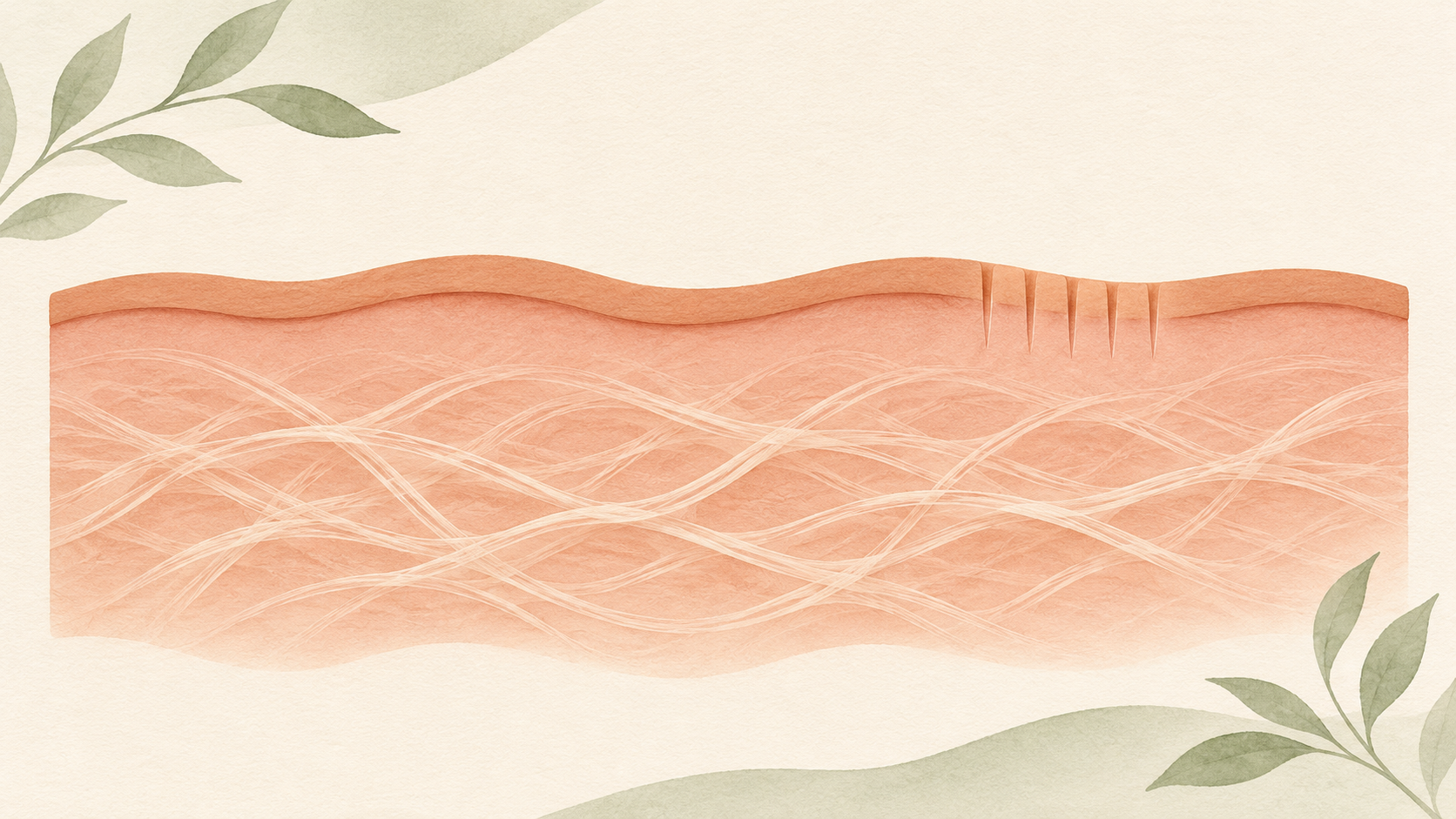
The fat just under your skin is called subcutaneous fat. Visceral fat sits deeper in your abdomen, around your organs. Higher amounts of visceral fat are linked to a greater risk of type 2 diabetes and heart disease. A waist measurement is one clue your provider can use to assess that risk. You can't tell how much visceral fat you have by looking in the mirror.
It's also worth noticing when your waistband feels tight. If the same jeans fit in the morning and dig in after dinner, bloating can explain a change over a few hours. If that fullness is new and keeps coming back, or comes with pain, talk to your primary care provider.
What helps reduce abdominal fat over time
For adults living with overweight or obesity, Obesity Canada recommends regular aerobic activity to help reduce fat around the organs, even when weight changes very little. If you have time for a brisk walk on your lunch break most days, that's a good place to start. Strength training can also help preserve muscle during weight loss.
Losing body fat overall generally means using more energy than you take in over time. How you approach that has to fit an ordinary week. If you often work through lunch and get home really hungry, a useful first step might be packing a meal you can eat on shift. A registered dietitian can help you find an eating pattern that fits your schedule, especially if you're also managing a health condition or have a history of restrictive eating.
What an Emsculpt Neo consultation at Kiwi covers
You don't have to turn a preference about how clothes fit into a weight-loss project. If there's one area of your lower belly you'd like to change, you can point it out at a consultation and ask what kind of difference you could reasonably expect there.
At our clinic on Clement Avenue, we use Emsculpt Neo for abdominal muscle tone and contour. An applicator rests against your abdomen. Electromagnetic pulses make the muscles contract, while radiofrequency energy heats the fat layer just beneath the skin. Emsculpt Neo is for contouring the treated area. It isn't a weight-loss treatment or a way to reduce the deep fat around your organs. The aim is a change in the outline of that area at your current weight. As with other non-invasive body contouring treatments, results vary and can be temporary.
Your provider assesses the area and reviews your health history, including any implanted medical devices. At Kiwi, we usually plan a series of six treatments, about 30 minutes each. Your provider confirms the number of sessions and the full price with you before you book treatment.
Before you commit to a series, ask your provider, "How will we tell whether the area I care about has actually changed?"
For a closer look at what a session feels like, see Emsculpt Neo at Kiwi. You can also call our Kelowna clinic at 778-940-1806 to ask about a consultation.
This article is general educational information, not individual medical advice.